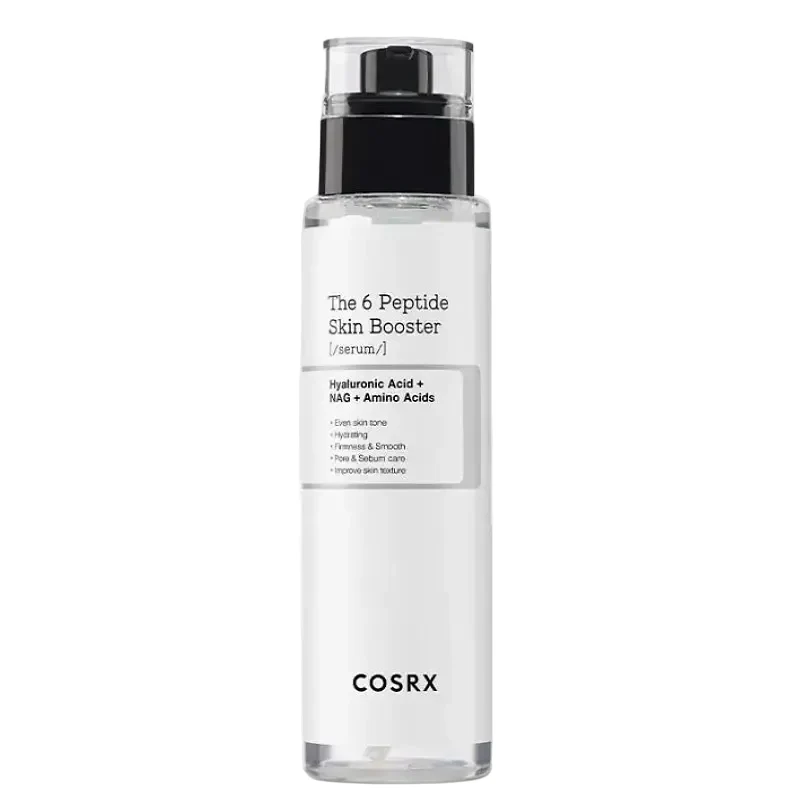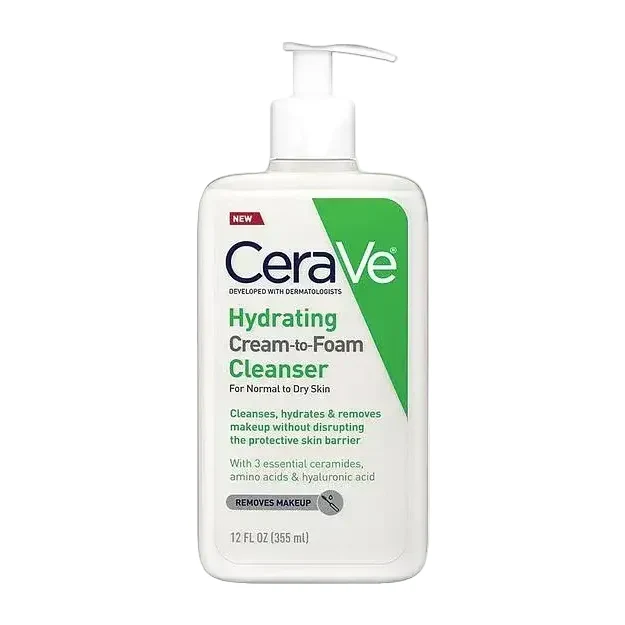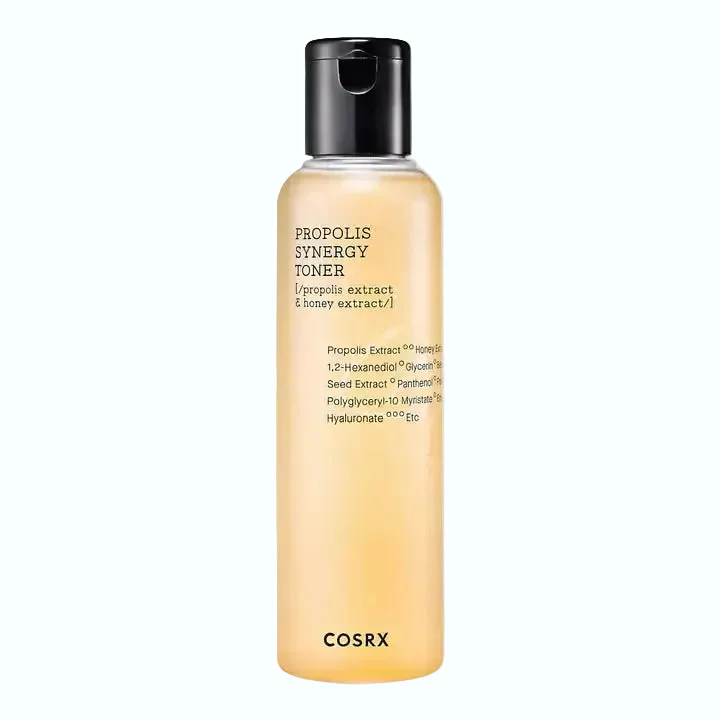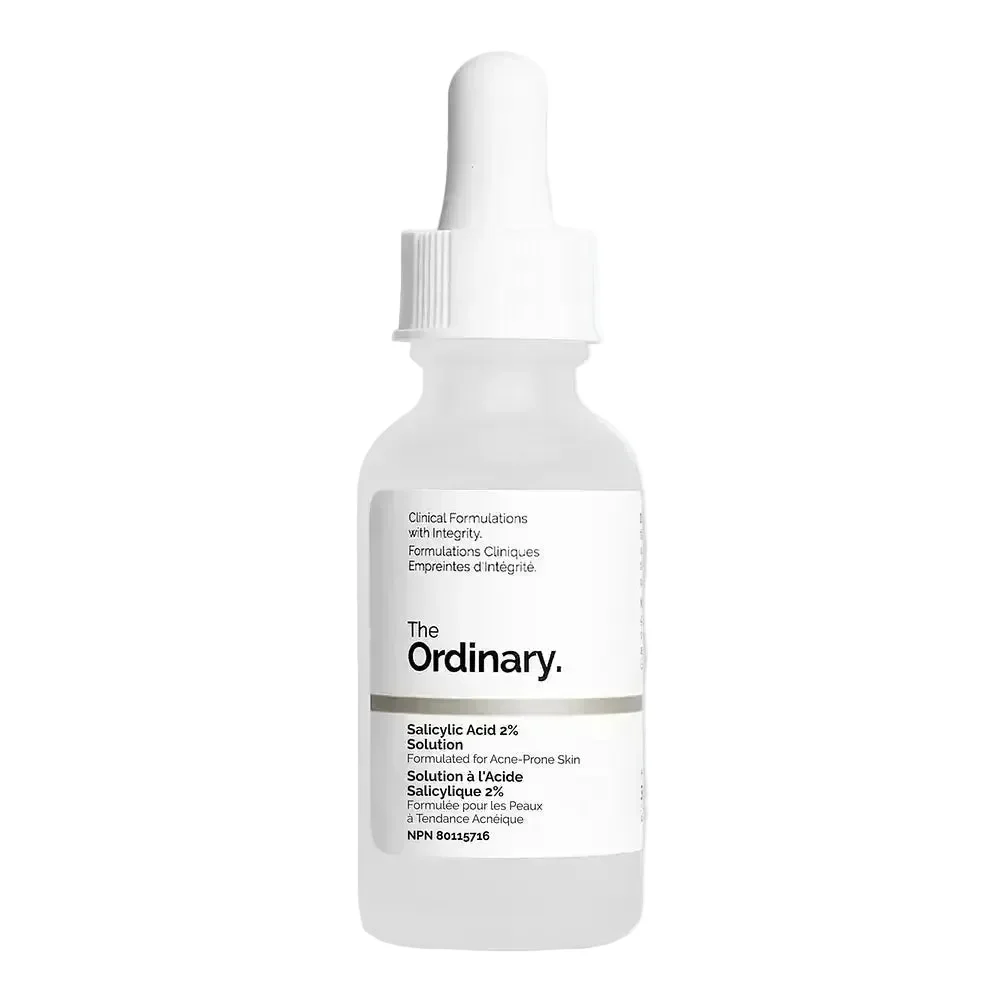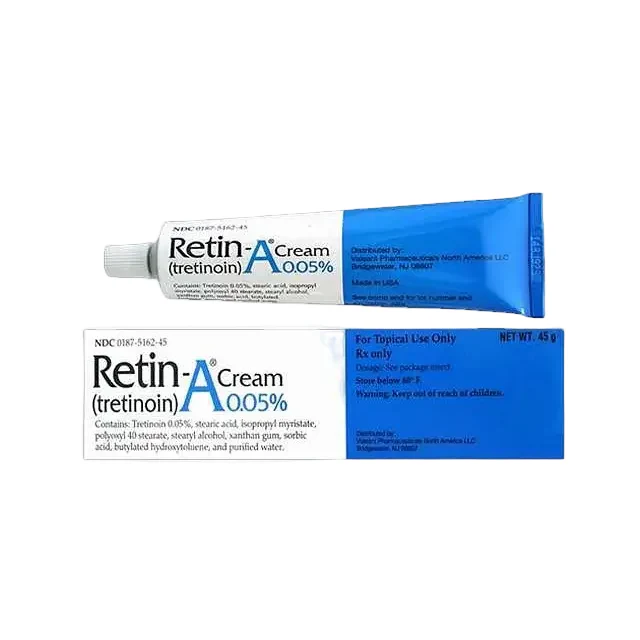
Retin-A (Tretinoin) Cream 0.05%
The gold-standard prescription retinoid, trusted by dermatologists for over 50 years. Retin-A (Tretinoin) Cream 0.05% accelerates skin cell turnover to visibly reduce acne, fade dark spots, smooth fine lines, and improve overall skin texture — delivering clinically proven results that over-the-counter retinols simply cannot match.
✨ Texture & Feel
Prescription-Strength Retinoid
0.05% tretinoin is the mid-range concentration — stronger than OTC retinols, yet more tolerable than the 0.1% formula. Ideal for those stepping up from beginner retinoids.
Anti-Aging Powerhouse
Clinically proven to reduce the appearance of fine lines, wrinkles, and rough skin texture by stimulating collagen synthesis and accelerating cellular turnover.
Acne Fighter
FDA-approved for acne vulgaris treatment. Unclogs pores, normalizes follicular epithelium, and prevents new comedone formation for visibly clearer skin.
Hyperpigmentation Eraser
Accelerates the shedding of pigmented cells and inhibits melanin transfer, visibly fading dark spots, post-acne marks, and melasma over time.
Collagen & Elastin Stimulator
Upregulates collagen I and III synthesis in the dermis while reducing collagenase activity, leading to firmer, more elastic skin with consistent long-term use.
Radiance & Skin Renewal
By speeding up cellular turnover (from ~28 days to ~14 days), tretinoin constantly refreshes the skin surface, revealing smoother, brighter, more even-toned skin.
🛡️ Safety & Compatibility
Tretinoin is classified as FDA Pregnancy Category X — meaning risks clearly outweigh any benefit. Systemic retinoids are known teratogens. Topical tretinoin absorption is low but not zero; avoid entirely during pregnancy and when trying to conceive.
It is unknown whether topical tretinoin is excreted in human breast milk. Due to the potential for serious adverse reactions, breastfeeding is not recommended during treatment. Consult your dermatologist for safer alternatives.
The cream base contains Isopropyl Myristate and Stearyl Alcohol — both known to potentially feed Malassezia yeast. Tretinoin itself is generally considered safe for fungal acne, but the vehicle ingredients warrant caution for those prone to pityrosporum folliculitis.
Tretinoin significantly increases photosensitivity by thinning the outer skin layer and speeding up cell turnover. Daily SPF 30+ is mandatory every morning — no exceptions. Risk of sunburn is dramatically elevated during the first 3 months of use.
Most users experience dryness, flaking, redness, and potential "purging" (temporary acne flares) during weeks 1–6. This is a normal part of the skin adjustment phase and typically resolves on its own. Start slow: 2–3 nights per week.
The Retin-A Cream formulation contains no parabens or added fragrances, reducing the risk of allergic reactions. Suitable for fragrance-sensitive individuals as long as the medicinal base is tolerated.
One of the most extensively studied topical medications in dermatology. Over 50 years of clinical evidence support its safety and efficacy profile for acne and photoaging when used as directed under medical supervision.
Requires a prescription from a licensed physician or dermatologist in the US, UK, Canada, and most EU countries. Always use under professional medical guidance. Do not use if you have eczema or rosacea without consulting your doctor.
🔬 Ingredient Breakdown
⭐ Tretinoin (All-Trans Retinoic Acid) 0.05% Proven
The active ingredient and gold standard of prescription skincare. Tretinoin is the only retinoid that works directly — unlike retinol, which must be converted by the skin into retinoic acid. This means faster, more reliable results at lower concentrations. It binds to nuclear retinoic acid receptors (RAR-α, RAR-β, RAR-γ) and regulates gene expression related to cell proliferation, differentiation, and matrix remodeling.
- Acne Efficacy: Multiple double-blind, vehicle-controlled clinical trials demonstrate significant reduction in both inflammatory and non-inflammatory acne lesions within 8–12 weeks of consistent use.
- Anti-Aging (FDA-Approved): Clinical studies published in the Journal of the American Academy of Dermatology confirm significant reduction in fine lines, wrinkles, and hyperpigmentation after 24 weeks of use.
- Collagen Stimulation: Research shows 0.05% tretinoin increases procollagen I synthesis by up to 80% compared to vehicle control in photodamaged skin (Fisher et al., NEJM, 1998).
- Cell Turnover: Reduces the epidermal transit time from approximately 28 days to 14 days, continuously refreshing the skin surface.
💧 Stearic Acid Vehicle Proven
A naturally derived saturated fatty acid that serves as the primary emulsifier in the cream base. Stearic acid gives Retin-A Cream its characteristic smooth, rich texture and helps stabilize the formulation. It forms a protective layer on the skin surface that helps lock in moisture and support the skin barrier.
- Comedogenic Rating: Rated 2–3/5 on the comedogenic scale — generally low risk, but those with severely clog-prone pores should monitor.
- Skin Barrier Support: Integrates into the lipid lamellae of the stratum corneum to help reinforce the skin's natural protective barrier.
🧴 Isopropyl Myristate Vehicle Proven
A synthetic ester used as an emollient and skin-conditioning agent that enhances the spreadability and skin penetration of the formulation. While it improves the sensory elegance of the cream and helps tretinoin absorb effectively, it is a known potential trigger for fungal acne (malassezia folliculitis) and carries a higher comedogenic rating.
- Comedogenic Rating: Rated 3–4/5 — the most comedogenic ingredient in this formulation. May be problematic for acne-prone skin types that are sensitive to ester-based ingredients.
- FA Concern: Isopropyl myristate is a well-documented feeder of Malassezia yeast according to published research by Xu et al. (2019).
- Penetration Enhancer: Increases tretinoin's percutaneous absorption, improving overall efficacy of the active ingredient.
🔗 Polyoxyl 40 Stearate Vehicle Proven
A non-ionic surfactant and emulsifier that creates the stable oil-in-water emulsion of the cream. It helps blend the oil and water phases together to create the smooth, homogeneous texture. Polyoxyl 40 Stearate is well-tolerated, has a long safety record in pharmaceutical formulations, and helps maintain the formula's stability and shelf life.
- Safety Record: Widely used in pharmaceutical-grade topical products and has been reviewed by the Cosmetic Ingredient Review (CIR) as safe for use in concentrations up to 25%.
- FA Status: Polysorbate/polyoxyl-type ingredients are generally considered potential Malassezia food sources — another reason for fungal acne caution.
🛡️ Stearyl Alcohol Vehicle Proven
A fatty alcohol (not the drying kind) that acts as an emollient, thickener, and emulsion stabilizer. Stearyl alcohol gives the cream its soft, velvety feel and helps it spread evenly across the skin. It is distinct from drying alcohols (like ethanol or denatured alcohol) and actually contributes to moisturization.
- Comedogenic Rating: Rated 2/5 — low comedogenic potential for most people.
- FA Note: Fatty alcohols (C16+) are documented in research as potential Malassezia substrates. Those with active fungal acne should be aware.
🌿 Xanthan Gum Vehicle Proven
A natural, fermentation-derived polysaccharide that serves as a rheology modifier and stabilizer in the cream. It gives the product its characteristic smooth, consistent texture and ensures even distribution of the active ingredient throughout the formulation. Xanthan gum is non-comedogenic and hypoallergenic.
- Comedogenic Rating: 0/5 — non-comedogenic.
- Skin Compatibility: Generally recognized as safe with minimal sensitization potential. Widely used across dermatological and pharmaceutical topical preparations.
9 ingredients total
Active Ingredient: Tretinoin 0.05%
Inactive Ingredients: Stearic Acid, Isopropyl Myristate, Polyoxyl 40 Stearate, Stearyl Alcohol, Xanthan Gum, Sorbic Acid, Butylated Hydroxytoluene (BHT), Purified Water
🔄 Where It Fits in Your Routine
⚠️ PM use only. Skin must be completely dry before applying — moisture drastically increases irritation. Never layer with benzoyl peroxide in the same routine. Always follow the next morning with broad-spectrum SPF 30 or higher.
📝 How to Use
Cleanse Gently & Pat Dry Completely
Use a gentle, non-stripping cleanser in the evening. Pat skin completely dry — do not apply to damp or wet skin. Wait at least 20–30 minutes to allow skin to fully dry, as moisture dramatically increases the penetration and irritation of tretinoin.
Apply a Pea-Sized Amount Only
Dispense approximately a pea-sized amount (0.25–0.5g) onto your fingertip — this is enough for the entire face. Using more does not improve results but dramatically increases irritation, peeling, and sensitivity.
Dot & Blend Carefully
Dot small amounts onto your forehead, cheeks, nose, and chin. Gently smooth outward, avoiding the immediate eye contour (orbital bone area), sides of the nose, corners of the mouth, and lips. These areas are prone to severe irritation.
Optional: Apply Moisturizer Immediately After (Sandwich Method)
If you are new to tretinoin or experience significant dryness, apply a gentle, fragrance-free moisturizer immediately after tretinoin (or even before — the "sandwich method"). This buffers absorption and significantly reduces irritation without negating efficacy.
Start 2–3 Nights per Week & Build Up Slowly
Begin by applying every other night or 2–3 times per week. After 4–6 weeks with no significant irritation, increase to every other night. If well tolerated for another 4–6 weeks, progress to nightly use. Never rush this process.
Apply SPF 30+ Every Single Morning (Non-Negotiable)
Tretinoin makes skin significantly more vulnerable to UV damage. Broad-spectrum SPF 30 or higher is mandatory every morning — rain or shine, indoors or outdoors. Failure to use sunscreen will worsen hyperpigmentation and reverse anti-aging benefits.
👤 Who Is It For?
✅ Perfect for you if:
- You have persistent adult acne or comedonal acne
- You want to address early or established signs of photoaging
- You're dealing with hyperpigmentation, dark spots, or uneven skin tone
- You've already used OTC retinol and want prescription-level results
- You are consistent with SPF use every morning
- You can commit to a 3–6 month treatment timeline
- You are not pregnant, breastfeeding, or trying to conceive
- Your skin tolerates active ingredients reasonably well
❌ Consider alternatives if:
- You are pregnant, breastfeeding, or planning to become pregnant
- You have active eczema, severe rosacea, or perioral dermatitis
- You have sunburned, windburned, or otherwise irritated skin
- You cannot commit to consistent daily sunscreen use
- You are prone to severe fungal acne (pityrosporum folliculitis)
- You are using waxing, electrolysis, or harsh chemical peels in the same area
- Your skin is extremely dry or reactive and you have no prior retinoid experience
- You cannot access or afford a dermatologist prescription in your region
🎯 Skin Type Compatibility
Tretinoin excels at normalizing sebum production and unclogging pores. The cream base may feel slightly heavy for very oily skin types — consider the gel formulation if excess shine is a concern.
The cream formulation (vs. gel) is specifically more suitable for dry or normal skin — the emollient base helps counteract tretinoin's drying effects. Use the sandwich method with a rich moisturizer for best tolerance.
Works well across different zones. Target application on the T-zone for acne; use the sandwich method on drier cheek areas during the adjustment period to minimize flaking.
Proceed with caution. The cream vehicle is more gentle than gel, but tretinoin at 0.05% can still cause significant irritation, redness, and peeling. Start at 1–2 nights per week maximum and build very slowly. Patch test required.
The #1 dermatologist-recommended treatment for acne vulgaris. Normalizes follicular keratinization, prevents comedone formation, and reduces both inflammatory and non-inflammatory lesions. Expect initial purging in weeks 1–6.
The most evidence-backed ingredient for photoaged skin. Clinically proven to reduce fine lines, improve skin elasticity, and increase dermal collagen density. A cornerstone anti-aging treatment since the 1980s.
📈 Results Timeline
Adjustment Period — Retinization
Most users experience dryness, mild flaking, redness, and heightened skin sensitivity. Some experience an initial acne "purge" as clogged pores are accelerated to the surface. This is normal and expected — do not stop using the product during this phase. Reduce frequency if irritation is severe.
90% experience some dryness or peelingTolerance Building & First Improvements
Skin begins to adapt to tretinoin. Irritation subsides for most users. Skin texture starts to feel smoother and pores may appear smaller. Acne lesions begin decreasing as follicular normalization takes effect. Gradual increase to every-other-night use is appropriate for many people at this stage.
65% notice improved skin textureVisible Acne Clearance & Brightening
Significant reduction in active breakouts, comedones, and post-acne redness. Skin surface appears noticeably brighter and more even. Dark spots begin fading. Fine surface lines become less visible. Most users can now tolerate nightly application comfortably.
75% report significant acne improvementAnti-Aging Benefits & Skin Transformation
Collagen remodeling becomes apparent: skin feels firmer and more elastic. Fine lines and wrinkles show measurable reduction. Hyperpigmentation and melasma continue to fade significantly. Overall skin tone becomes more uniform. Pore appearance is visibly reduced for most users.
80% report visible anti-aging effectsPeak Results & Long-Term Maintenance
Full collagen remodeling benefits are realized. Skin is at its clearest, smoothest, and most luminous. Clinical studies show continued improvement with up to 24+ months of consistent use. Discontinuation will gradually reverse benefits over 3–6 months, so long-term maintenance is key.
90%+ maintain results with continued use⭐ Ratings by Platform
⚖️ Pros & Cons
✅ Praised
- 50+ years of clinical research backing its safety and efficacy
- Only retinoid proven to directly bind retinoic acid receptors — no conversion needed
- Clears both inflammatory and non-inflammatory acne
- Visibly reduces fine lines, wrinkles, and skin laxity
- Fades hyperpigmentation, dark spots, and melasma
- Cream base is more moisturizing and gentler than gel formulations
- Refines skin texture and minimizes pore appearance
- Affordable compared to many luxury anti-aging serums
- Fragrance-free and paraben-free formulation
❌ Criticized
- Requires a prescription in most countries — not easily accessible
- Significant adjustment period (purging, peeling, redness) lasting 4–8 weeks
- Strict sun avoidance/SPF requirement adds extra routine steps
- Absolutely contraindicated during pregnancy — major limitation
- Cream base contains Isopropyl Myristate — may trigger fungal acne or milia
- Cannot be combined with benzoyl peroxide simultaneously
- Results require 3–6+ months of consistent use
- May increase skin sensitivity to waxing, lasers, and other treatments
💰 Budget-Friendly Alternatives (Dupes)
Identical active ingredient (tretinoin 0.05%) at the same concentration — this IS Retin-A without the brand name. Generic versions are FDA-approved and bioequivalent. Minor differences in inactive ingredients may affect texture and tolerability. Requires the same prescription.
Adapalene 0.1% is FDA-approved OTC and requires no prescription. It works on similar RAR receptors as tretinoin but with a different selectivity profile. Generally better tolerated with fewer side effects. Studies show slightly less efficacy for photoaging but comparable results for acne. No FA concern and considerably lower irritation potential.
Contains Hydroxypinacolone Retinoate (HPR), a retinoic acid ester that is significantly gentler than tretinoin. No prescription needed. Much lower irritation potential makes it ideal for beginners or sensitive skin. However, clinical evidence is far more limited compared to tretinoin, and results are noticeably slower and less dramatic. Not a true dupe — more of a gentler introduction to the retinoid family.
🔄 Comparison with Competitors
Retin-A (Tretinoin) Cream 0.05% ⭐ Featured
$40–$80 / RxDifferin Gel (Adapalene 0.1%) — OTC
$28–$38Paula's Choice Clinical 1% Retinol Treatment
$62–$72SkinMedica Retinol Complex 1.0
$95–$110📦 Storage & Shelf Life
12 months after opening. Tretinoin degrades upon exposure to light, heat, and air. Monitor the cream for color changes (yellowing) or changes in smell, which may indicate degradation.
Store at room temperature between 15–30°C (59–86°F). Keep away from direct sunlight, heat sources, and humidity. Do not store in the bathroom — heat and moisture accelerate tretinoin degradation. Refrigeration is not required but can extend stability.
Opaque aluminum crimp tube (20g or 45g). The aluminum construction protects tretinoin from light degradation. Keep the cap tightly closed when not in use to minimize air exposure. Do not transfer contents to another container.
Yes — the 20g tube is under 100ml and TSA-compliant for carry-on luggage. The 45g tube also qualifies. Keep in your carry-on rather than checked luggage to avoid extreme temperature exposure in cargo holds. Declare as prescription medication if required.
❓ Frequently Asked Questions
No — Retin-A (Tretinoin) Cream 0.05% is NOT safe during pregnancy. Tretinoin is classified as FDA Pregnancy Category X, meaning the risk of fetal harm clearly outweighs any potential benefit. Oral retinoids (like isotretinoin) are known human teratogens, and while topical tretinoin has much lower systemic absorption, some absorption does occur through the skin. The American College of Obstetricians and Gynecologists advises avoiding all topical retinoids during pregnancy and when trying to conceive. It is also not recommended during breastfeeding due to unknown excretion in breast milk. Consult your OB-GYN or dermatologist for pregnancy-safe alternatives such as azelaic acid or topical niacinamide for acne, and hyaluronic acid serums for hydration and anti-aging support.
Use with caution if you are prone to fungal acne (pityrosporum folliculitis / malassezia folliculitis). Tretinoin itself is generally regarded as safe and is not a known feeder of Malassezia yeast. However, the cream vehicle contains Isopropyl Myristate, Stearyl Alcohol, and Polyoxyl 40 Stearate — ingredients that are known or suspected Malassezia substrates based on published research. If you have active fungal acne or are very prone to it, you may want to discuss a gel-based tretinoin formulation with your dermatologist, or ensure any fungal acne is treated with an antifungal before starting tretinoin cream. Monitor your skin closely in the first few weeks for any pustular breakouts that differ from typical acne.
You should NOT use additional retinol or retinoid products alongside Retin-A — this dramatically increases irritation with no added benefit. For Vitamin C (ascorbic acid): traditionally advised to avoid mixing in the same routine due to pH conflicts and potential irritation, but newer research suggests it can be used safely in the morning (Vitamin C) and evening (tretinoin) on separate applications. For AHAs and BHAs (glycolic acid, salicylic acid, lactic acid): avoid using in the same session as tretinoin — the combination can cause excessive irritation and over-exfoliation. Reserve AHA/BHAs for mornings or use them on off-nights. Benzoyl peroxide should NEVER be applied at the same time as tretinoin — it oxidizes and inactivates tretinoin. If you use benzoyl peroxide, apply it in the morning and tretinoin only in the evening, with thorough cleansing in between.
The cream formulation of tretinoin (vs. gel) is specifically recommended for normal-to-dry skin types, as the emollient vehicle provides additional moisture and minimizes the drying effects common with retinoids. It works excellently for acne-prone and aging/mature skin types that need the most powerful retinoid available. Oily skin types may find the cream slightly heavy and may prefer a gel formulation. Sensitive skin types can use it but must start very slowly (1–2 nights per week maximum) and use the sandwich method with a rich moisturizer. It is not ideal for those with active eczema, rosacea, or severely compromised skin barriers — consult a dermatologist before use in these cases.
Patience is essential with tretinoin. The general timeline is: Weeks 1–2: adjustment (dryness, peeling, possible purging — DO NOT stop). Weeks 3–6: skin begins to adapt and texture starts improving. Weeks 8–12: significant acne clearance, brighter skin tone, and improved texture. Months 3–6: anti-aging benefits become apparent — visible reduction in fine lines, improved firmness, fading hyperpigmentation. Month 6 and beyond: peak results with continued use; collagen remodeling continues for up to 24 months. The key is consistency — most people who abandon treatment do so during the difficult first 4–6 weeks, just before results begin to emerge. Give it a full 12 weeks minimum before evaluating effectiveness.
Retin-A is a PM-only product and should always be applied at night. The correct placement: Step 1 — Gentle, non-stripping cleanser. Step 2 — Wait 20–30 minutes until skin is COMPLETELY dry (critical — moisture increases irritation and absorption). Step 3 — Apply a pea-sized amount of Retin-A Cream 0.05% to the entire face. Step 4 — Follow with a rich, fragrance-free moisturizer (immediately after, or use the "sandwich method" — moisturize before AND after). Step 5 — The next morning: gentle cleanser, then broad-spectrum SPF 30+ (non-negotiable). Never apply Retin-A in the morning, and never skip sunscreen after a night of use.
Tretinoin itself is anti-comedogenic — it was literally developed to prevent and clear comedones (clogged pores). The active ingredient at 0.05% gets a comedogenic rating of 0/5. However, the cream vehicle contains some potentially problematic inactive ingredients: Isopropyl Myristate (rated 3–4/5) and Stearyl Alcohol (rated 2/5). This makes the overall formulation a 1/5 comedogenic rating — generally considered low risk, but the vehicle may contribute to milia or congestion in very sensitive, pore-prone users. Importantly, it is common to experience an initial "purging" breakout within the first 4–8 weeks that can resemble clogged pores — this is NOT the cream clogging pores, but rather tretinoin accelerating the clearing of existing deep congestion. This will resolve on its own. If breakouts persist beyond 10–12 weeks, consult your dermatologist.
Retin-A Cream 0.05% has a Period After Opening (PAO) of 12 months. Since the recommended dose is only a pea-sized amount (approximately 0.25g) applied once nightly, a 20g tube typically lasts 2–3 months with daily use (longer if you're using it 3–4 nights per week). A 45g tube can last 5–6 months or more. Store at room temperature away from heat and direct light. Tretinoin is sensitive to oxidation and UV light — if the cream has turned noticeably yellow or developed an unusual smell, it may be degraded. The opaque aluminum tube provides good protection, but keep the cap tightly closed between uses. Do not use beyond the printed expiration date on the tube, regardless of PAO.
Verdict: Retin-A (Tretinoin) Cream 0.05% is the undisputed gold standard of evidence-based skincare — a prescription retinoid backed by over 50 years of rigorous clinical research and unparalleled efficacy for acne, photoaging, hyperpigmentation, and skin texture. No OTC retinol comes close to its speed or magnitude of results. The cream formulation makes it more accessible for dry and normal skin types than the gel, with slightly lower irritation risk. The caveat is real: the adjustment period demands patience and commitment, daily SPF is non-negotiable, and it is absolutely contraindicated during pregnancy. But for those who can use it and stick with it, tretinoin consistently delivers the most transformative skin results available in a topical formulation. If you are considering any anti-aging or acne treatment investment, this should be at the top of your list — with your dermatologist's guidance.
Product Information
Product Information
Shipping & Returns
Shipping & Returns
Description
The gold-standard prescription retinoid, trusted by dermatologists for over 50 years. Retin-A (Tretinoin) Cream 0.05% accelerates skin cell turnover to visibly reduce acne, fade dark spots, smooth fine lines, and improve overall skin texture — delivering clinically proven results that over-the-counter retinols simply cannot match.
✨ Texture & Feel
Prescription-Strength Retinoid
0.05% tretinoin is the mid-range concentration — stronger than OTC retinols, yet more tolerable than the 0.1% formula. Ideal for those stepping up from beginner retinoids.
Anti-Aging Powerhouse
Clinically proven to reduce the appearance of fine lines, wrinkles, and rough skin texture by stimulating collagen synthesis and accelerating cellular turnover.
Acne Fighter
FDA-approved for acne vulgaris treatment. Unclogs pores, normalizes follicular epithelium, and prevents new comedone formation for visibly clearer skin.
Hyperpigmentation Eraser
Accelerates the shedding of pigmented cells and inhibits melanin transfer, visibly fading dark spots, post-acne marks, and melasma over time.
Collagen & Elastin Stimulator
Upregulates collagen I and III synthesis in the dermis while reducing collagenase activity, leading to firmer, more elastic skin with consistent long-term use.
Radiance & Skin Renewal
By speeding up cellular turnover (from ~28 days to ~14 days), tretinoin constantly refreshes the skin surface, revealing smoother, brighter, more even-toned skin.
🛡️ Safety & Compatibility
Tretinoin is classified as FDA Pregnancy Category X — meaning risks clearly outweigh any benefit. Systemic retinoids are known teratogens. Topical tretinoin absorption is low but not zero; avoid entirely during pregnancy and when trying to conceive.
It is unknown whether topical tretinoin is excreted in human breast milk. Due to the potential for serious adverse reactions, breastfeeding is not recommended during treatment. Consult your dermatologist for safer alternatives.
The cream base contains Isopropyl Myristate and Stearyl Alcohol — both known to potentially feed Malassezia yeast. Tretinoin itself is generally considered safe for fungal acne, but the vehicle ingredients warrant caution for those prone to pityrosporum folliculitis.
Tretinoin significantly increases photosensitivity by thinning the outer skin layer and speeding up cell turnover. Daily SPF 30+ is mandatory every morning — no exceptions. Risk of sunburn is dramatically elevated during the first 3 months of use.
Most users experience dryness, flaking, redness, and potential "purging" (temporary acne flares) during weeks 1–6. This is a normal part of the skin adjustment phase and typically resolves on its own. Start slow: 2–3 nights per week.
The Retin-A Cream formulation contains no parabens or added fragrances, reducing the risk of allergic reactions. Suitable for fragrance-sensitive individuals as long as the medicinal base is tolerated.
One of the most extensively studied topical medications in dermatology. Over 50 years of clinical evidence support its safety and efficacy profile for acne and photoaging when used as directed under medical supervision.
Requires a prescription from a licensed physician or dermatologist in the US, UK, Canada, and most EU countries. Always use under professional medical guidance. Do not use if you have eczema or rosacea without consulting your doctor.
🔬 Ingredient Breakdown
⭐ Tretinoin (All-Trans Retinoic Acid) 0.05% Proven
The active ingredient and gold standard of prescription skincare. Tretinoin is the only retinoid that works directly — unlike retinol, which must be converted by the skin into retinoic acid. This means faster, more reliable results at lower concentrations. It binds to nuclear retinoic acid receptors (RAR-α, RAR-β, RAR-γ) and regulates gene expression related to cell proliferation, differentiation, and matrix remodeling.
- Acne Efficacy: Multiple double-blind, vehicle-controlled clinical trials demonstrate significant reduction in both inflammatory and non-inflammatory acne lesions within 8–12 weeks of consistent use.
- Anti-Aging (FDA-Approved): Clinical studies published in the Journal of the American Academy of Dermatology confirm significant reduction in fine lines, wrinkles, and hyperpigmentation after 24 weeks of use.
- Collagen Stimulation: Research shows 0.05% tretinoin increases procollagen I synthesis by up to 80% compared to vehicle control in photodamaged skin (Fisher et al., NEJM, 1998).
- Cell Turnover: Reduces the epidermal transit time from approximately 28 days to 14 days, continuously refreshing the skin surface.
💧 Stearic Acid Vehicle Proven
A naturally derived saturated fatty acid that serves as the primary emulsifier in the cream base. Stearic acid gives Retin-A Cream its characteristic smooth, rich texture and helps stabilize the formulation. It forms a protective layer on the skin surface that helps lock in moisture and support the skin barrier.
- Comedogenic Rating: Rated 2–3/5 on the comedogenic scale — generally low risk, but those with severely clog-prone pores should monitor.
- Skin Barrier Support: Integrates into the lipid lamellae of the stratum corneum to help reinforce the skin's natural protective barrier.
🧴 Isopropyl Myristate Vehicle Proven
A synthetic ester used as an emollient and skin-conditioning agent that enhances the spreadability and skin penetration of the formulation. While it improves the sensory elegance of the cream and helps tretinoin absorb effectively, it is a known potential trigger for fungal acne (malassezia folliculitis) and carries a higher comedogenic rating.
- Comedogenic Rating: Rated 3–4/5 — the most comedogenic ingredient in this formulation. May be problematic for acne-prone skin types that are sensitive to ester-based ingredients.
- FA Concern: Isopropyl myristate is a well-documented feeder of Malassezia yeast according to published research by Xu et al. (2019).
- Penetration Enhancer: Increases tretinoin's percutaneous absorption, improving overall efficacy of the active ingredient.
🔗 Polyoxyl 40 Stearate Vehicle Proven
A non-ionic surfactant and emulsifier that creates the stable oil-in-water emulsion of the cream. It helps blend the oil and water phases together to create the smooth, homogeneous texture. Polyoxyl 40 Stearate is well-tolerated, has a long safety record in pharmaceutical formulations, and helps maintain the formula's stability and shelf life.
- Safety Record: Widely used in pharmaceutical-grade topical products and has been reviewed by the Cosmetic Ingredient Review (CIR) as safe for use in concentrations up to 25%.
- FA Status: Polysorbate/polyoxyl-type ingredients are generally considered potential Malassezia food sources — another reason for fungal acne caution.
🛡️ Stearyl Alcohol Vehicle Proven
A fatty alcohol (not the drying kind) that acts as an emollient, thickener, and emulsion stabilizer. Stearyl alcohol gives the cream its soft, velvety feel and helps it spread evenly across the skin. It is distinct from drying alcohols (like ethanol or denatured alcohol) and actually contributes to moisturization.
- Comedogenic Rating: Rated 2/5 — low comedogenic potential for most people.
- FA Note: Fatty alcohols (C16+) are documented in research as potential Malassezia substrates. Those with active fungal acne should be aware.
🌿 Xanthan Gum Vehicle Proven
A natural, fermentation-derived polysaccharide that serves as a rheology modifier and stabilizer in the cream. It gives the product its characteristic smooth, consistent texture and ensures even distribution of the active ingredient throughout the formulation. Xanthan gum is non-comedogenic and hypoallergenic.
- Comedogenic Rating: 0/5 — non-comedogenic.
- Skin Compatibility: Generally recognized as safe with minimal sensitization potential. Widely used across dermatological and pharmaceutical topical preparations.
9 ingredients total
Active Ingredient: Tretinoin 0.05%
Inactive Ingredients: Stearic Acid, Isopropyl Myristate, Polyoxyl 40 Stearate, Stearyl Alcohol, Xanthan Gum, Sorbic Acid, Butylated Hydroxytoluene (BHT), Purified Water
🔄 Where It Fits in Your Routine
⚠️ PM use only. Skin must be completely dry before applying — moisture drastically increases irritation. Never layer with benzoyl peroxide in the same routine. Always follow the next morning with broad-spectrum SPF 30 or higher.
📝 How to Use
Cleanse Gently & Pat Dry Completely
Use a gentle, non-stripping cleanser in the evening. Pat skin completely dry — do not apply to damp or wet skin. Wait at least 20–30 minutes to allow skin to fully dry, as moisture dramatically increases the penetration and irritation of tretinoin.
Apply a Pea-Sized Amount Only
Dispense approximately a pea-sized amount (0.25–0.5g) onto your fingertip — this is enough for the entire face. Using more does not improve results but dramatically increases irritation, peeling, and sensitivity.
Dot & Blend Carefully
Dot small amounts onto your forehead, cheeks, nose, and chin. Gently smooth outward, avoiding the immediate eye contour (orbital bone area), sides of the nose, corners of the mouth, and lips. These areas are prone to severe irritation.
Optional: Apply Moisturizer Immediately After (Sandwich Method)
If you are new to tretinoin or experience significant dryness, apply a gentle, fragrance-free moisturizer immediately after tretinoin (or even before — the "sandwich method"). This buffers absorption and significantly reduces irritation without negating efficacy.
Start 2–3 Nights per Week & Build Up Slowly
Begin by applying every other night or 2–3 times per week. After 4–6 weeks with no significant irritation, increase to every other night. If well tolerated for another 4–6 weeks, progress to nightly use. Never rush this process.
Apply SPF 30+ Every Single Morning (Non-Negotiable)
Tretinoin makes skin significantly more vulnerable to UV damage. Broad-spectrum SPF 30 or higher is mandatory every morning — rain or shine, indoors or outdoors. Failure to use sunscreen will worsen hyperpigmentation and reverse anti-aging benefits.
👤 Who Is It For?
✅ Perfect for you if:
- You have persistent adult acne or comedonal acne
- You want to address early or established signs of photoaging
- You're dealing with hyperpigmentation, dark spots, or uneven skin tone
- You've already used OTC retinol and want prescription-level results
- You are consistent with SPF use every morning
- You can commit to a 3–6 month treatment timeline
- You are not pregnant, breastfeeding, or trying to conceive
- Your skin tolerates active ingredients reasonably well
❌ Consider alternatives if:
- You are pregnant, breastfeeding, or planning to become pregnant
- You have active eczema, severe rosacea, or perioral dermatitis
- You have sunburned, windburned, or otherwise irritated skin
- You cannot commit to consistent daily sunscreen use
- You are prone to severe fungal acne (pityrosporum folliculitis)
- You are using waxing, electrolysis, or harsh chemical peels in the same area
- Your skin is extremely dry or reactive and you have no prior retinoid experience
- You cannot access or afford a dermatologist prescription in your region
🎯 Skin Type Compatibility
Tretinoin excels at normalizing sebum production and unclogging pores. The cream base may feel slightly heavy for very oily skin types — consider the gel formulation if excess shine is a concern.
The cream formulation (vs. gel) is specifically more suitable for dry or normal skin — the emollient base helps counteract tretinoin's drying effects. Use the sandwich method with a rich moisturizer for best tolerance.
Works well across different zones. Target application on the T-zone for acne; use the sandwich method on drier cheek areas during the adjustment period to minimize flaking.
Proceed with caution. The cream vehicle is more gentle than gel, but tretinoin at 0.05% can still cause significant irritation, redness, and peeling. Start at 1–2 nights per week maximum and build very slowly. Patch test required.
The #1 dermatologist-recommended treatment for acne vulgaris. Normalizes follicular keratinization, prevents comedone formation, and reduces both inflammatory and non-inflammatory lesions. Expect initial purging in weeks 1–6.
The most evidence-backed ingredient for photoaged skin. Clinically proven to reduce fine lines, improve skin elasticity, and increase dermal collagen density. A cornerstone anti-aging treatment since the 1980s.
📈 Results Timeline
Adjustment Period — Retinization
Most users experience dryness, mild flaking, redness, and heightened skin sensitivity. Some experience an initial acne "purge" as clogged pores are accelerated to the surface. This is normal and expected — do not stop using the product during this phase. Reduce frequency if irritation is severe.
90% experience some dryness or peelingTolerance Building & First Improvements
Skin begins to adapt to tretinoin. Irritation subsides for most users. Skin texture starts to feel smoother and pores may appear smaller. Acne lesions begin decreasing as follicular normalization takes effect. Gradual increase to every-other-night use is appropriate for many people at this stage.
65% notice improved skin textureVisible Acne Clearance & Brightening
Significant reduction in active breakouts, comedones, and post-acne redness. Skin surface appears noticeably brighter and more even. Dark spots begin fading. Fine surface lines become less visible. Most users can now tolerate nightly application comfortably.
75% report significant acne improvementAnti-Aging Benefits & Skin Transformation
Collagen remodeling becomes apparent: skin feels firmer and more elastic. Fine lines and wrinkles show measurable reduction. Hyperpigmentation and melasma continue to fade significantly. Overall skin tone becomes more uniform. Pore appearance is visibly reduced for most users.
80% report visible anti-aging effectsPeak Results & Long-Term Maintenance
Full collagen remodeling benefits are realized. Skin is at its clearest, smoothest, and most luminous. Clinical studies show continued improvement with up to 24+ months of consistent use. Discontinuation will gradually reverse benefits over 3–6 months, so long-term maintenance is key.
90%+ maintain results with continued use⭐ Ratings by Platform
⚖️ Pros & Cons
✅ Praised
- 50+ years of clinical research backing its safety and efficacy
- Only retinoid proven to directly bind retinoic acid receptors — no conversion needed
- Clears both inflammatory and non-inflammatory acne
- Visibly reduces fine lines, wrinkles, and skin laxity
- Fades hyperpigmentation, dark spots, and melasma
- Cream base is more moisturizing and gentler than gel formulations
- Refines skin texture and minimizes pore appearance
- Affordable compared to many luxury anti-aging serums
- Fragrance-free and paraben-free formulation
❌ Criticized
- Requires a prescription in most countries — not easily accessible
- Significant adjustment period (purging, peeling, redness) lasting 4–8 weeks
- Strict sun avoidance/SPF requirement adds extra routine steps
- Absolutely contraindicated during pregnancy — major limitation
- Cream base contains Isopropyl Myristate — may trigger fungal acne or milia
- Cannot be combined with benzoyl peroxide simultaneously
- Results require 3–6+ months of consistent use
- May increase skin sensitivity to waxing, lasers, and other treatments
💰 Budget-Friendly Alternatives (Dupes)
Identical active ingredient (tretinoin 0.05%) at the same concentration — this IS Retin-A without the brand name. Generic versions are FDA-approved and bioequivalent. Minor differences in inactive ingredients may affect texture and tolerability. Requires the same prescription.
Adapalene 0.1% is FDA-approved OTC and requires no prescription. It works on similar RAR receptors as tretinoin but with a different selectivity profile. Generally better tolerated with fewer side effects. Studies show slightly less efficacy for photoaging but comparable results for acne. No FA concern and considerably lower irritation potential.
Contains Hydroxypinacolone Retinoate (HPR), a retinoic acid ester that is significantly gentler than tretinoin. No prescription needed. Much lower irritation potential makes it ideal for beginners or sensitive skin. However, clinical evidence is far more limited compared to tretinoin, and results are noticeably slower and less dramatic. Not a true dupe — more of a gentler introduction to the retinoid family.
🔄 Comparison with Competitors
Retin-A (Tretinoin) Cream 0.05% ⭐ Featured
$40–$80 / RxDifferin Gel (Adapalene 0.1%) — OTC
$28–$38Paula's Choice Clinical 1% Retinol Treatment
$62–$72SkinMedica Retinol Complex 1.0
$95–$110📦 Storage & Shelf Life
12 months after opening. Tretinoin degrades upon exposure to light, heat, and air. Monitor the cream for color changes (yellowing) or changes in smell, which may indicate degradation.
Store at room temperature between 15–30°C (59–86°F). Keep away from direct sunlight, heat sources, and humidity. Do not store in the bathroom — heat and moisture accelerate tretinoin degradation. Refrigeration is not required but can extend stability.
Opaque aluminum crimp tube (20g or 45g). The aluminum construction protects tretinoin from light degradation. Keep the cap tightly closed when not in use to minimize air exposure. Do not transfer contents to another container.
Yes — the 20g tube is under 100ml and TSA-compliant for carry-on luggage. The 45g tube also qualifies. Keep in your carry-on rather than checked luggage to avoid extreme temperature exposure in cargo holds. Declare as prescription medication if required.
❓ Frequently Asked Questions
No — Retin-A (Tretinoin) Cream 0.05% is NOT safe during pregnancy. Tretinoin is classified as FDA Pregnancy Category X, meaning the risk of fetal harm clearly outweighs any potential benefit. Oral retinoids (like isotretinoin) are known human teratogens, and while topical tretinoin has much lower systemic absorption, some absorption does occur through the skin. The American College of Obstetricians and Gynecologists advises avoiding all topical retinoids during pregnancy and when trying to conceive. It is also not recommended during breastfeeding due to unknown excretion in breast milk. Consult your OB-GYN or dermatologist for pregnancy-safe alternatives such as azelaic acid or topical niacinamide for acne, and hyaluronic acid serums for hydration and anti-aging support.
Use with caution if you are prone to fungal acne (pityrosporum folliculitis / malassezia folliculitis). Tretinoin itself is generally regarded as safe and is not a known feeder of Malassezia yeast. However, the cream vehicle contains Isopropyl Myristate, Stearyl Alcohol, and Polyoxyl 40 Stearate — ingredients that are known or suspected Malassezia substrates based on published research. If you have active fungal acne or are very prone to it, you may want to discuss a gel-based tretinoin formulation with your dermatologist, or ensure any fungal acne is treated with an antifungal before starting tretinoin cream. Monitor your skin closely in the first few weeks for any pustular breakouts that differ from typical acne.
You should NOT use additional retinol or retinoid products alongside Retin-A — this dramatically increases irritation with no added benefit. For Vitamin C (ascorbic acid): traditionally advised to avoid mixing in the same routine due to pH conflicts and potential irritation, but newer research suggests it can be used safely in the morning (Vitamin C) and evening (tretinoin) on separate applications. For AHAs and BHAs (glycolic acid, salicylic acid, lactic acid): avoid using in the same session as tretinoin — the combination can cause excessive irritation and over-exfoliation. Reserve AHA/BHAs for mornings or use them on off-nights. Benzoyl peroxide should NEVER be applied at the same time as tretinoin — it oxidizes and inactivates tretinoin. If you use benzoyl peroxide, apply it in the morning and tretinoin only in the evening, with thorough cleansing in between.
The cream formulation of tretinoin (vs. gel) is specifically recommended for normal-to-dry skin types, as the emollient vehicle provides additional moisture and minimizes the drying effects common with retinoids. It works excellently for acne-prone and aging/mature skin types that need the most powerful retinoid available. Oily skin types may find the cream slightly heavy and may prefer a gel formulation. Sensitive skin types can use it but must start very slowly (1–2 nights per week maximum) and use the sandwich method with a rich moisturizer. It is not ideal for those with active eczema, rosacea, or severely compromised skin barriers — consult a dermatologist before use in these cases.
Patience is essential with tretinoin. The general timeline is: Weeks 1–2: adjustment (dryness, peeling, possible purging — DO NOT stop). Weeks 3–6: skin begins to adapt and texture starts improving. Weeks 8–12: significant acne clearance, brighter skin tone, and improved texture. Months 3–6: anti-aging benefits become apparent — visible reduction in fine lines, improved firmness, fading hyperpigmentation. Month 6 and beyond: peak results with continued use; collagen remodeling continues for up to 24 months. The key is consistency — most people who abandon treatment do so during the difficult first 4–6 weeks, just before results begin to emerge. Give it a full 12 weeks minimum before evaluating effectiveness.
Retin-A is a PM-only product and should always be applied at night. The correct placement: Step 1 — Gentle, non-stripping cleanser. Step 2 — Wait 20–30 minutes until skin is COMPLETELY dry (critical — moisture increases irritation and absorption). Step 3 — Apply a pea-sized amount of Retin-A Cream 0.05% to the entire face. Step 4 — Follow with a rich, fragrance-free moisturizer (immediately after, or use the "sandwich method" — moisturize before AND after). Step 5 — The next morning: gentle cleanser, then broad-spectrum SPF 30+ (non-negotiable). Never apply Retin-A in the morning, and never skip sunscreen after a night of use.
Tretinoin itself is anti-comedogenic — it was literally developed to prevent and clear comedones (clogged pores). The active ingredient at 0.05% gets a comedogenic rating of 0/5. However, the cream vehicle contains some potentially problematic inactive ingredients: Isopropyl Myristate (rated 3–4/5) and Stearyl Alcohol (rated 2/5). This makes the overall formulation a 1/5 comedogenic rating — generally considered low risk, but the vehicle may contribute to milia or congestion in very sensitive, pore-prone users. Importantly, it is common to experience an initial "purging" breakout within the first 4–8 weeks that can resemble clogged pores — this is NOT the cream clogging pores, but rather tretinoin accelerating the clearing of existing deep congestion. This will resolve on its own. If breakouts persist beyond 10–12 weeks, consult your dermatologist.
Retin-A Cream 0.05% has a Period After Opening (PAO) of 12 months. Since the recommended dose is only a pea-sized amount (approximately 0.25g) applied once nightly, a 20g tube typically lasts 2–3 months with daily use (longer if you're using it 3–4 nights per week). A 45g tube can last 5–6 months or more. Store at room temperature away from heat and direct light. Tretinoin is sensitive to oxidation and UV light — if the cream has turned noticeably yellow or developed an unusual smell, it may be degraded. The opaque aluminum tube provides good protection, but keep the cap tightly closed between uses. Do not use beyond the printed expiration date on the tube, regardless of PAO.
Verdict: Retin-A (Tretinoin) Cream 0.05% is the undisputed gold standard of evidence-based skincare — a prescription retinoid backed by over 50 years of rigorous clinical research and unparalleled efficacy for acne, photoaging, hyperpigmentation, and skin texture. No OTC retinol comes close to its speed or magnitude of results. The cream formulation makes it more accessible for dry and normal skin types than the gel, with slightly lower irritation risk. The caveat is real: the adjustment period demands patience and commitment, daily SPF is non-negotiable, and it is absolutely contraindicated during pregnancy. But for those who can use it and stick with it, tretinoin consistently delivers the most transformative skin results available in a topical formulation. If you are considering any anti-aging or acne treatment investment, this should be at the top of your list — with your dermatologist's guidance.